Ever dropped a weight and felt the whole room shake? That small moment tells you one thing: gym flooring thickness is not just a number. In Dubai apartments, villas, and commercial gyms, the floor under your feet decides safety, noise, and even building protection.
In this gym floor thickness guide, we’ll break down the right thickness for gym flooring for cardio, strength, and heavy lifting areas. You’ll learn about Dubai gym flooring thickness standards, options like 20 mm gym flooring and 30 mm plus gym flooring, and how rubber gym flooring thickness affects impact and sound.
Why Gym Flooring Thickness Really Matters
When people set up a gym, they focus on machines first. But the real protection starts from the ground. Choosing the correct gym flooring dubai thickness protects your subfloor, your equipment, and the building itself. In Dubai, most properties have hard concrete or tile bases, so proper layering becomes even more important.
- Prevents cracks in tiles and concrete from dropped weights.
- Improves impact absorption gym flooring performance.
- Supports better noise reduction gym flooring in apartments.
- Increases the service life of racks, plates, and bars.
Tip: In a home or gym with a thin floor, the force will easily transfer through the building structure, resulting in more expensive future repairs.
Cardio Areas – What Thickness Do You Really Need?
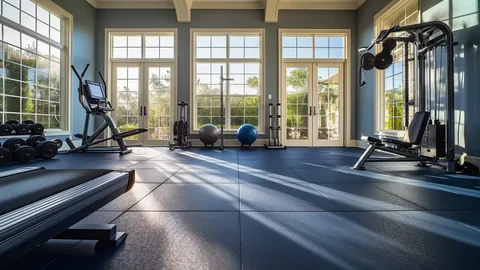
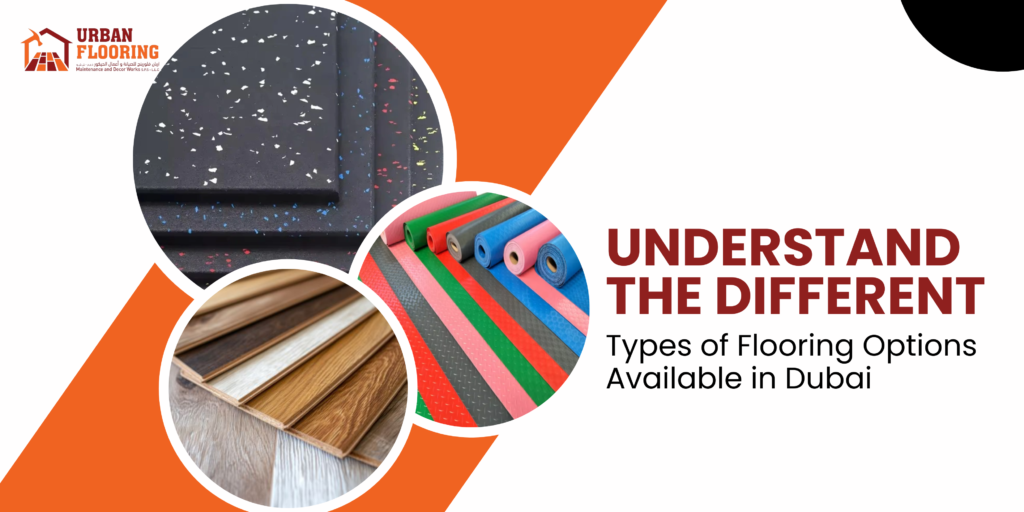
Not every gym zone needs thick rubber. For treadmills and bikes, the thickness for cardio rubber flooring is usually lower compared to lifting zones. Cardio machines create vibration, but not extreme vertical drops. So balance is important. Too soft feels unstable. Too hard increases noise.
- 8mm to 10mm works well for light cardio setups.
- A stable surface keeps machines from moving.
- Good for stretching and mobility zones.
- Easy cleaning and maintenance in the dusty Dubai climate.
Tip: For home gyms inside towers, the correct Dubai gym flooring thickness in cardio zones reduces vibration transfer to neighbors below.
Strength Training Zones – The Industry Standard
Once dumbbells and squat racks enter the picture, things change. The strength training flooring thickness must handle repeated pressure and occasional drops. This is where many gym owners choose 20 mm gym flooring because it balances cost and protection.
- Absorbs shock from dumbbell drops.
- Gives better grip during lunges and functional moves.
- Helps with moderate noise reduction in the gym.
- Creates a solid, professional feel.
Tip: Most trainers consider 15–20mm the safe middle ground. In our experience at urban flooring, this range suits PT studios and serious home gyms across Dubai.
Heavy Lifting Zones – Go Thick or Risk Damage
Now let’s talk serious lifting. Olympic lifts and deadlifts create massive force. The heavy-lifting flooring thickness must be thicker and denser. In most cases, 30 mm plus gym flooring is the safer option, especially in commercial gyms.
- Handles repeated barbell drops.
- Maximizes impact absorption gym flooring performance.
- Reduces plate bounce-back for safety.
- Protects the building foundation from point loading.
Tip: A thin mat in a heavy zone is risky. Over time, it can crack tiles or transfer vibration through slabs.
20mm vs 30mm Plus – What’s the Real Difference?
Many clients ask, should I choose 20 mm gym flooring or 30 mm plus gym flooring? The answer depends on training style, not just budget. Both fall under different levels of rubber gym flooring thickness, and density also matters.
- 20mm is ideal for mixed training and PT studios.
- 30mm+ suits Olympic lifting platforms.
- Thicker rubber offers stronger impact absorption in the gym.
- Higher depth improves noise reduction in the gym.
Tip: A 20 mm, high-density tile is far more efficient than a 30 mm-quality tile- although it would be less comfortable to install. Always check material quality, not only thickness.
Density vs Depth – A Mistake Many People Make
Here’s something many overlook. Epoxy flooring thickness alone does not guarantee protection. The density factor, therefore, plays a significant role. Low-density items like cellular foam can easily squash down and lose their shape, but the high-density ones maintain their shape when loaded.
- Dense rubber resists permanent dents.
- Better long-term durability.
- Improved impact absorption gym flooring strength.
- More stable support for racks and benches.
At urban flooring we guide customers to choose the right thickness for gym flooring along with the correct density for their activity.
Zoned Gym Layout – Smart Way to Save Money
Professional gyms in Dubai rarely use one thickness everywhere. Instead, they follow a zoning method. This gym floor thickness guide approach helps balance safety and budget.
- 10mm for cardio and stretching areas.
- 20mm for general strength training.
- 30mm plus for heavy deadlift platforms.
- Smooth transitions between zones for safety.
Tip: This method keeps your Dubai gym flooring thickness optimized without overspending on areas that don’t need heavy protection.
How Noise and Vibration Travel in Dubai Buildings
Ever noticed how a dropped weight sounds louder downstairs than inside your gym? That’s vibration transfer. Without proper rubber EPDM Flooring Dubai thickness, sound waves move through concrete slabs easily.
- Thicker rubber improves noise reduction in gym flooring.
- Reduces disturbance in apartments and offices.
- Makes commercial gyms more comfortable.
- Helps meet building management rules.
Tip: In high-rise towers, selecting the right thickness for gym flooring becomes more about respect for neighbors than just performance.
Choosing the Right Supplier in Dubai
Not all flooring suppliers understand local property structures. The correct Dubai gym flooring thickness depends on the villa, warehouse, or apartment setup. That’s why working with specialists matters.
- Site inspection before recommendation.
- Guidance on strength training flooring thickness.
- Advice on heavy lifting and flooring thickness.
- Professional installation support.
At urbanflooring.ae, we help clients design flooring based on their actual workout plan, not guesswork. Many gym owners across Dubai rely on expert planning before installation.
Conclusion
Picking the correct gym flooring thickness is not about choosing the thickest mat. It’s about matching your training style, building type, and noise concerns. From thickness for cardio gym flooring to 30 mm plus gym flooring for serious lifting, every zone needs a purpose.
If you’re planning a gym in Dubai, take time to review your options carefully. The right floor today prevents expensive damage tomorrow, and makes every workout feel safer and more stable.